The Story
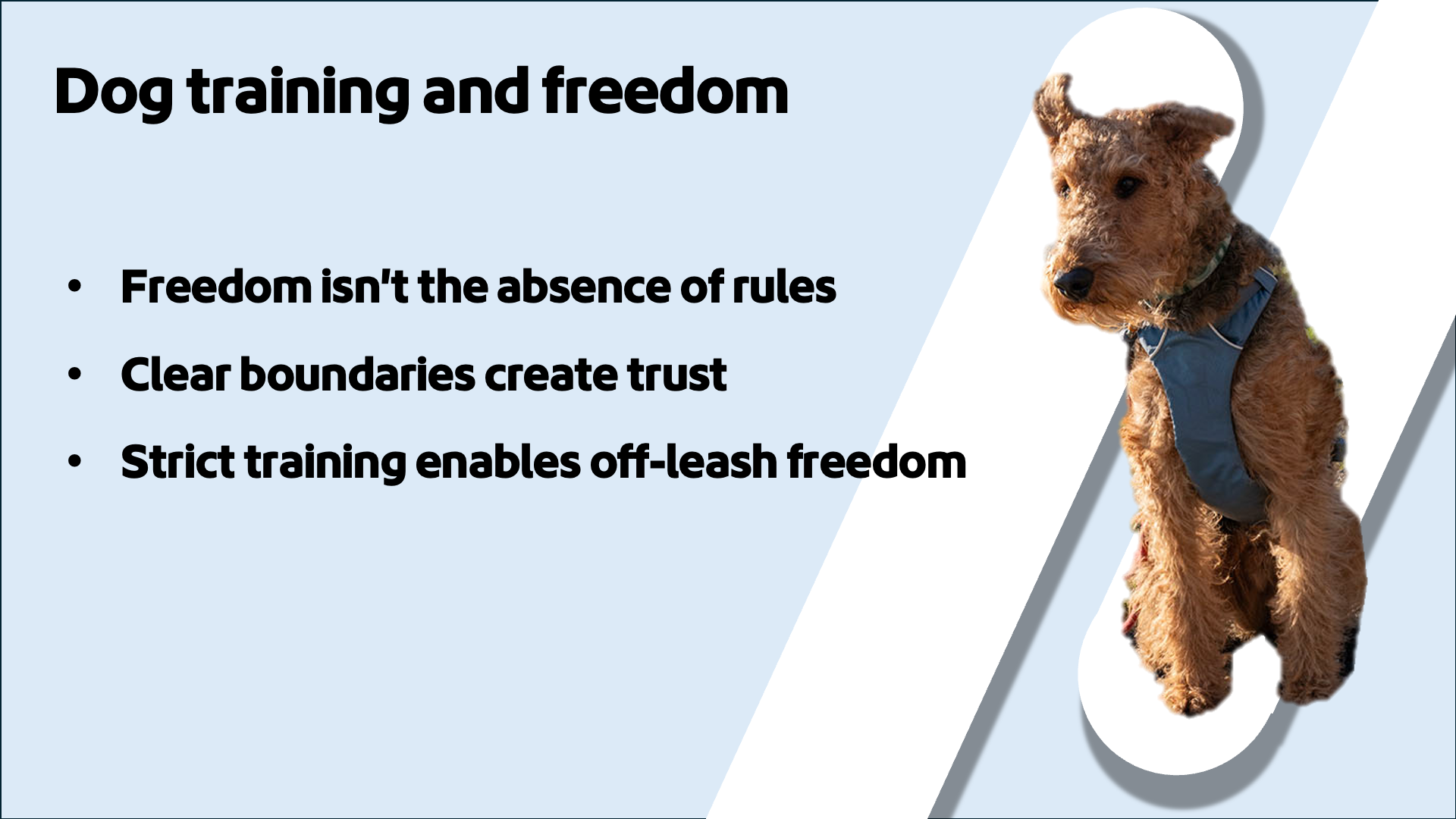
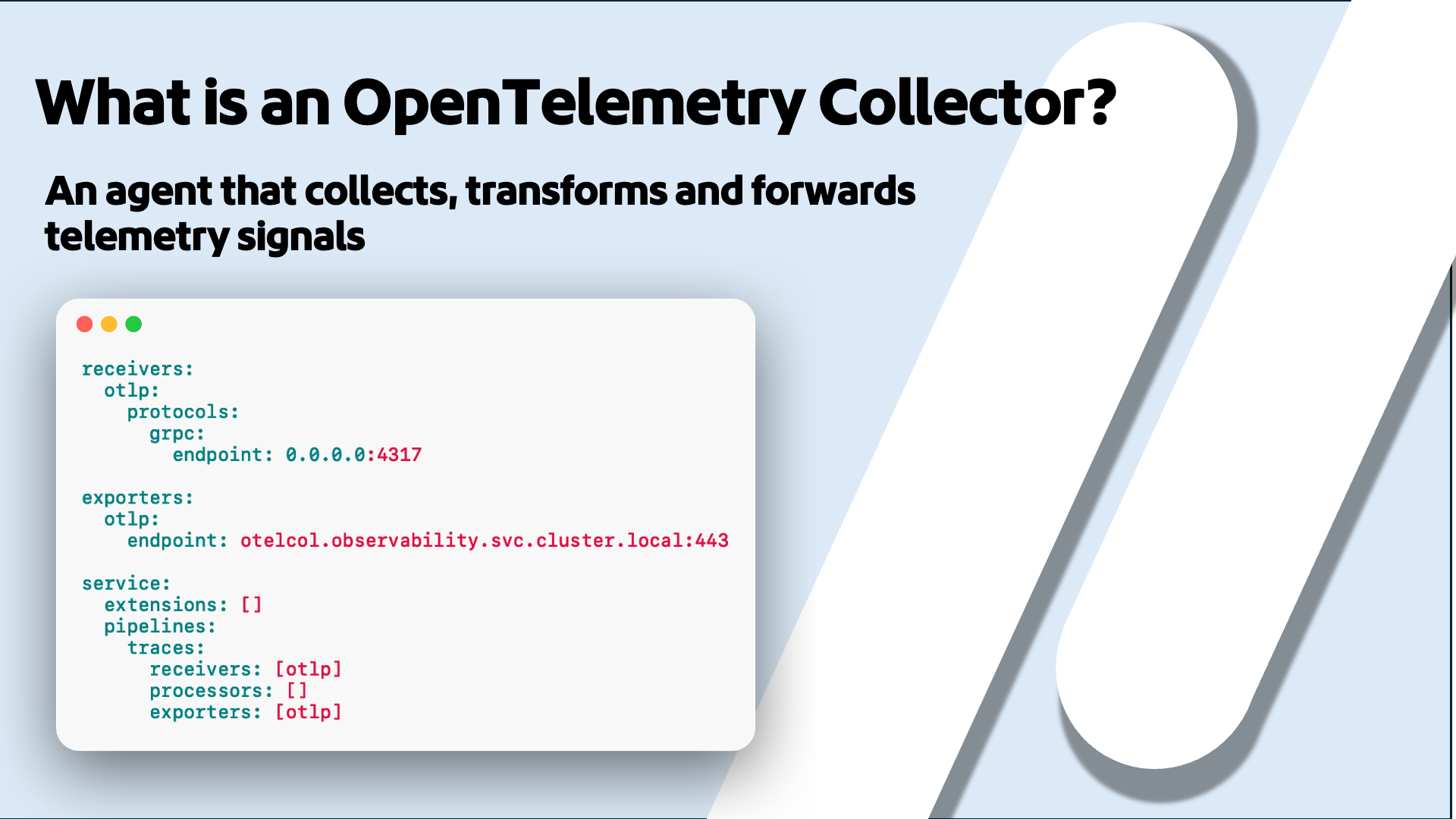
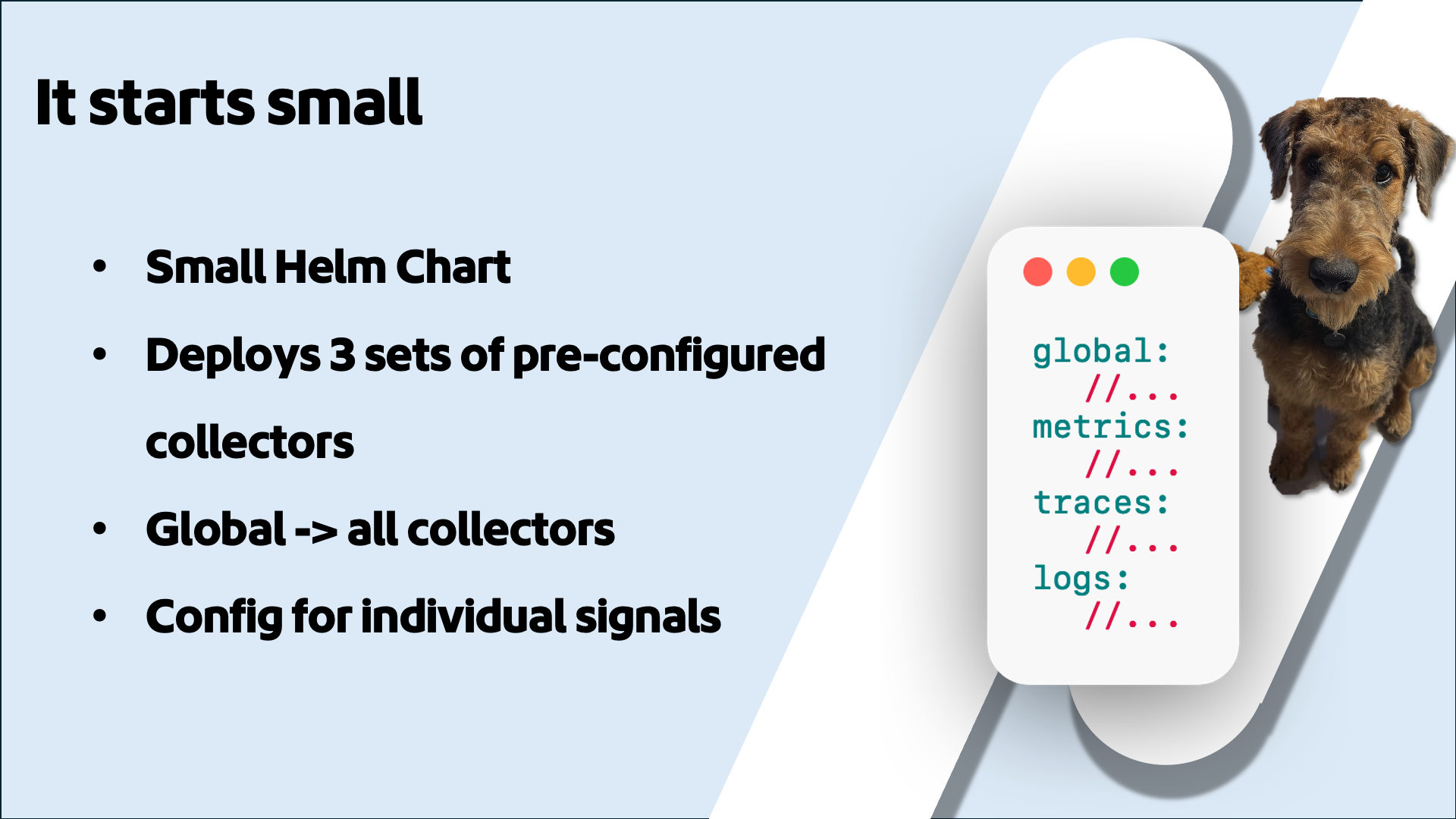
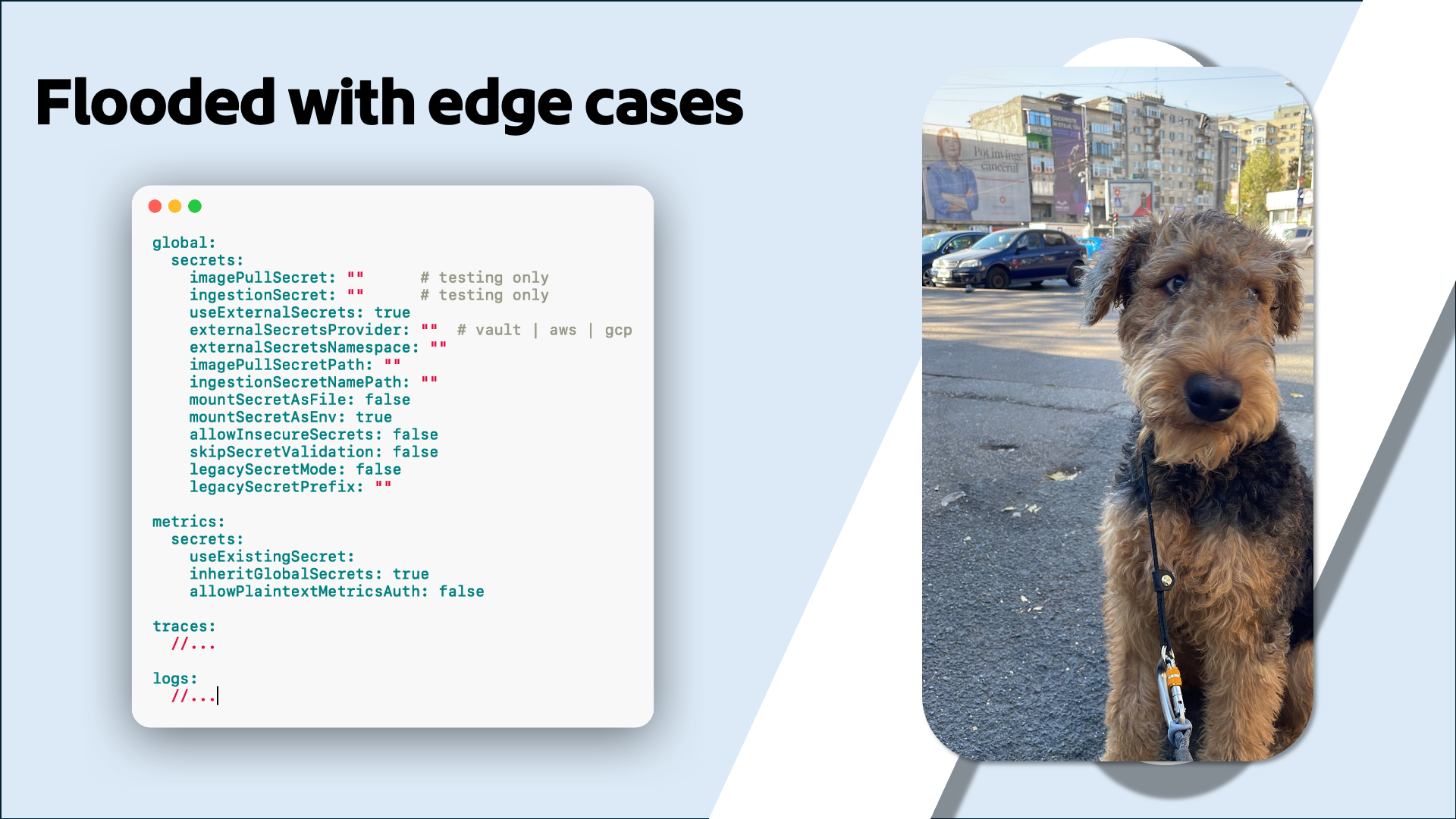
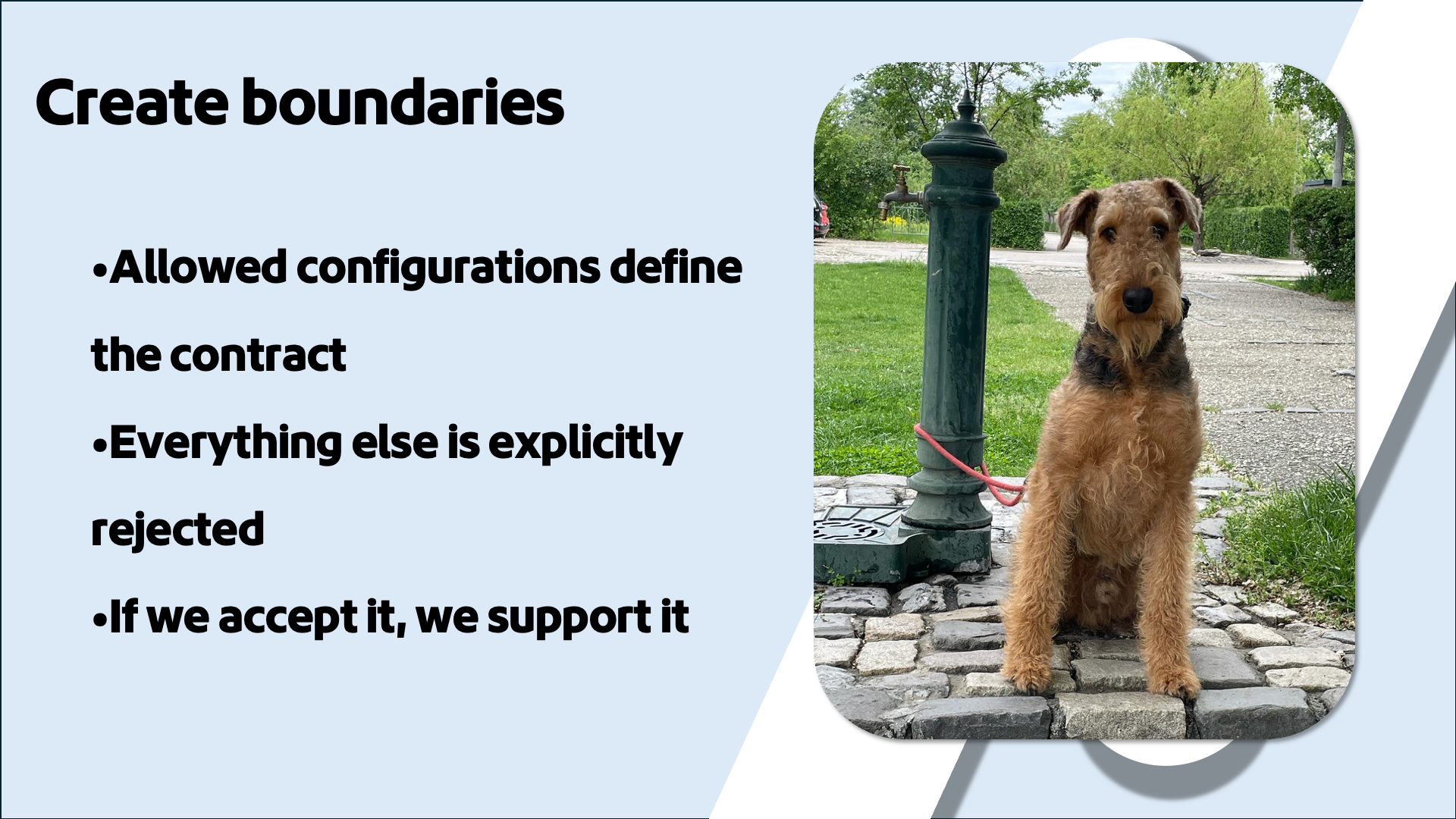
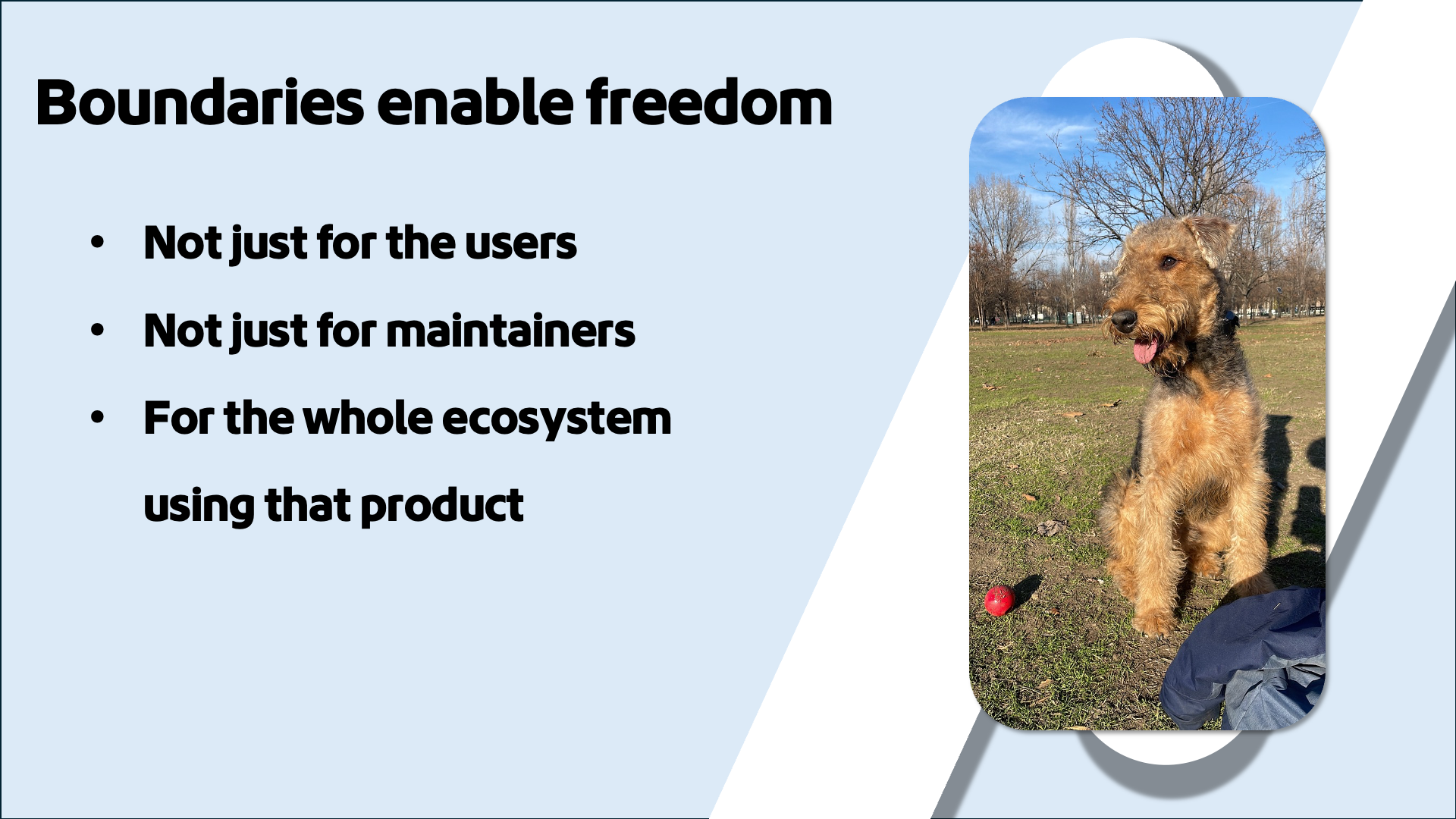
I have a dog named Terry. He's an Airedale Terrier, and he's been in training for almost his entire life. The thing I've learned from training him is that freedom isn't about having no rules. It's the opposite. The reason I can trust Terry off leash is because he's had years of strict, consistent boundaries. That same idea applies to how we design configurations. When your Helm chart or your Collector config clearly defines what it accepts and rejects everything else, you're not limiting your users. You're giving them confidence that what they deploy will actually work.
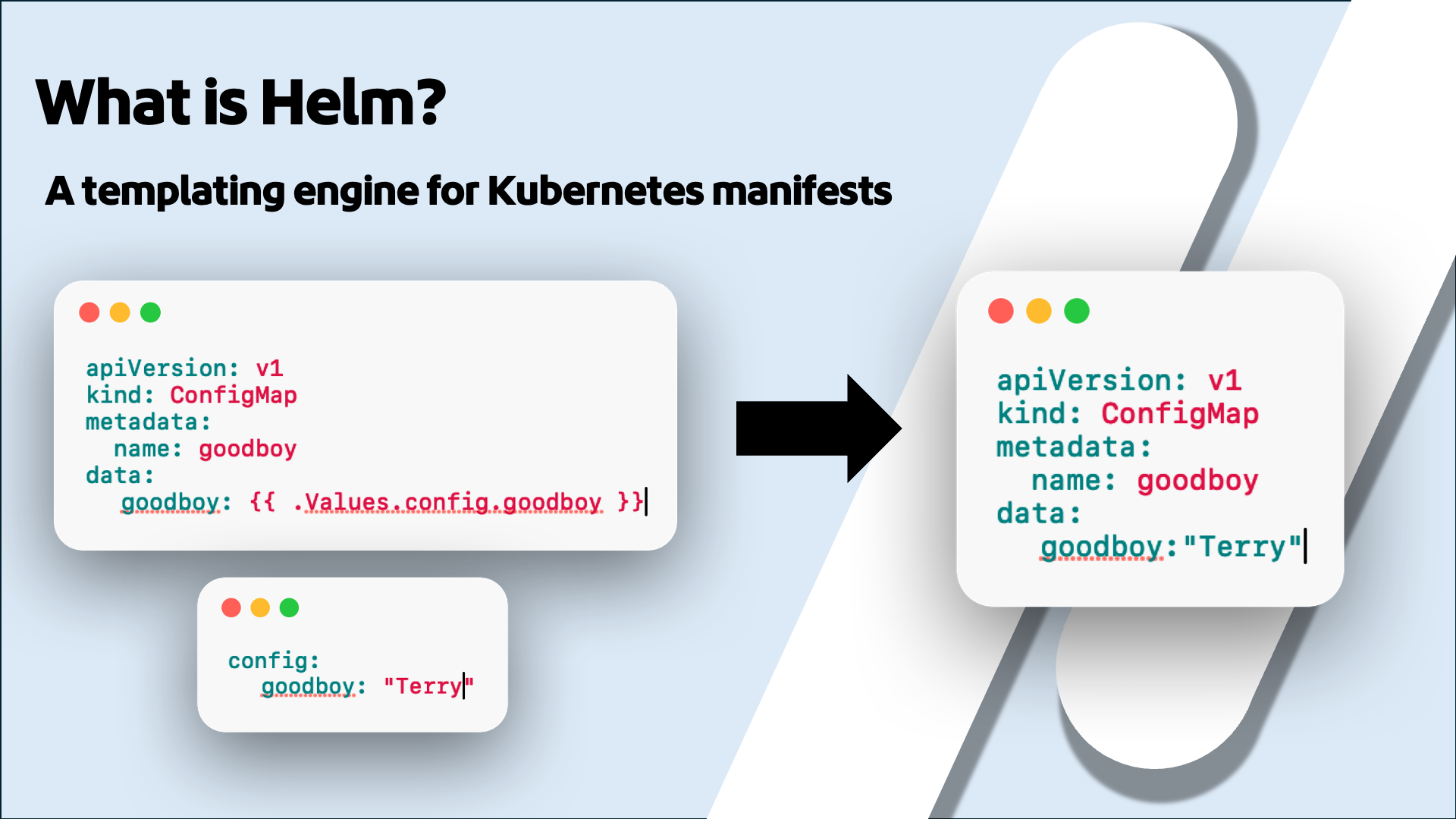
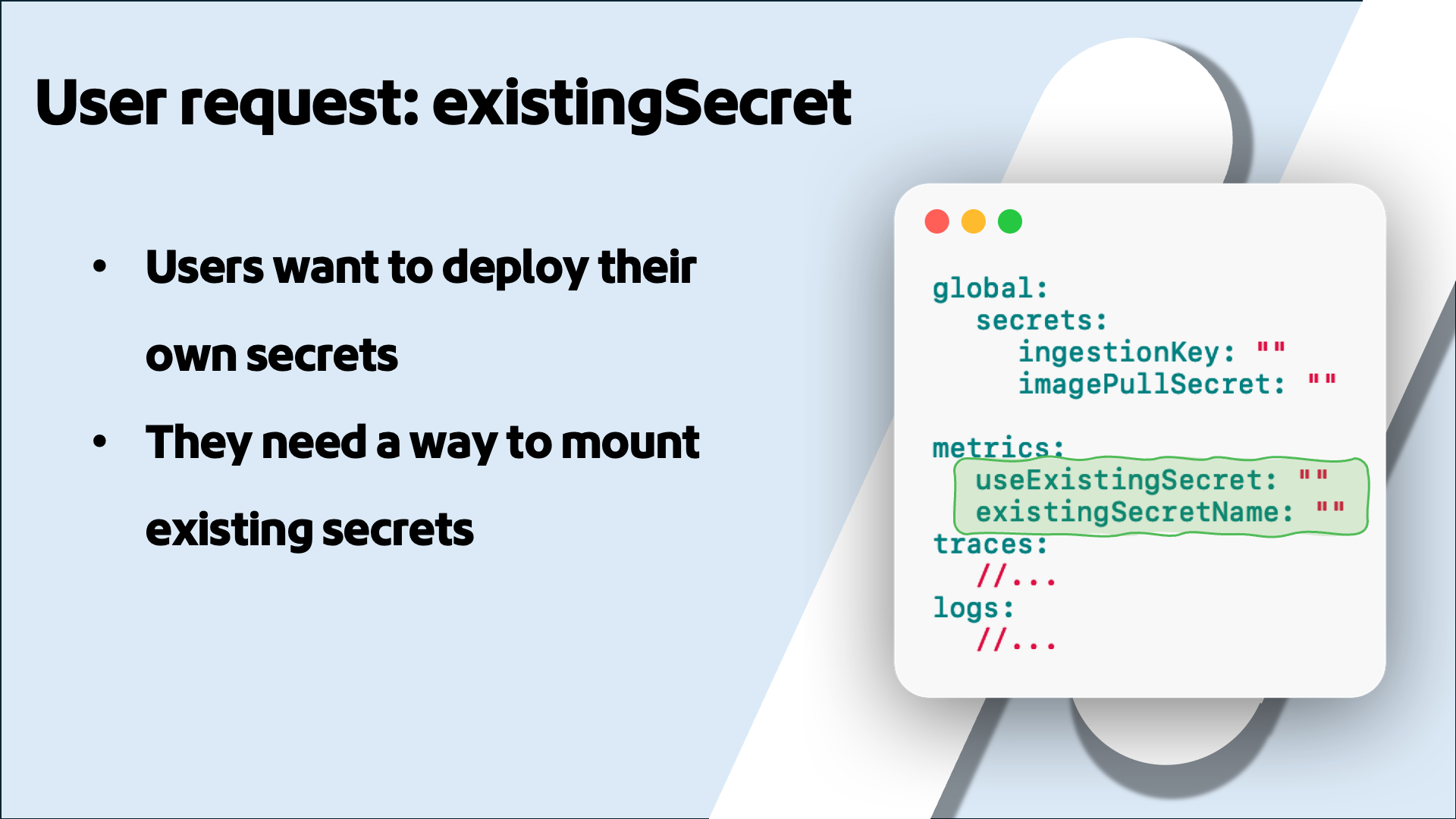
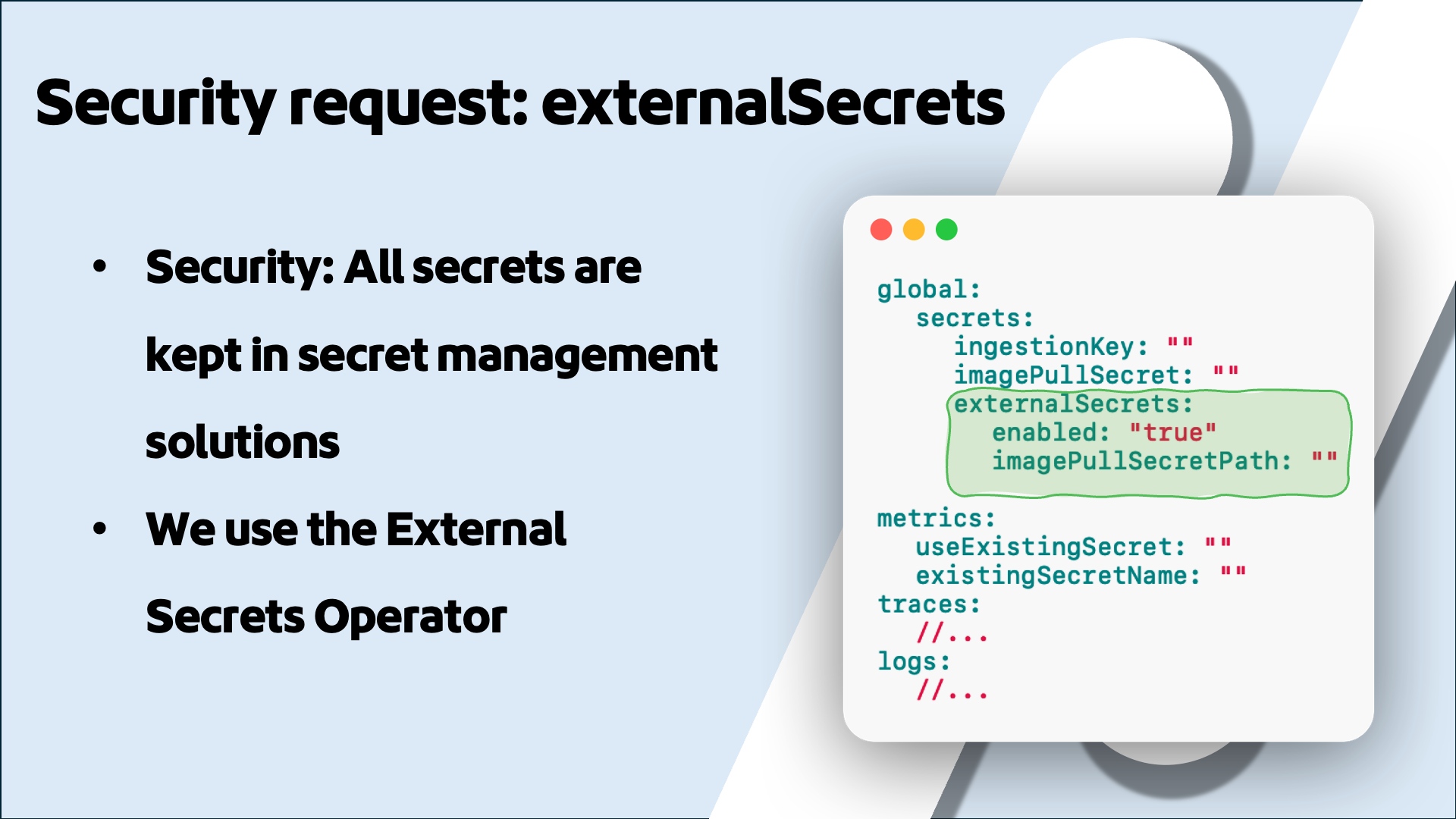
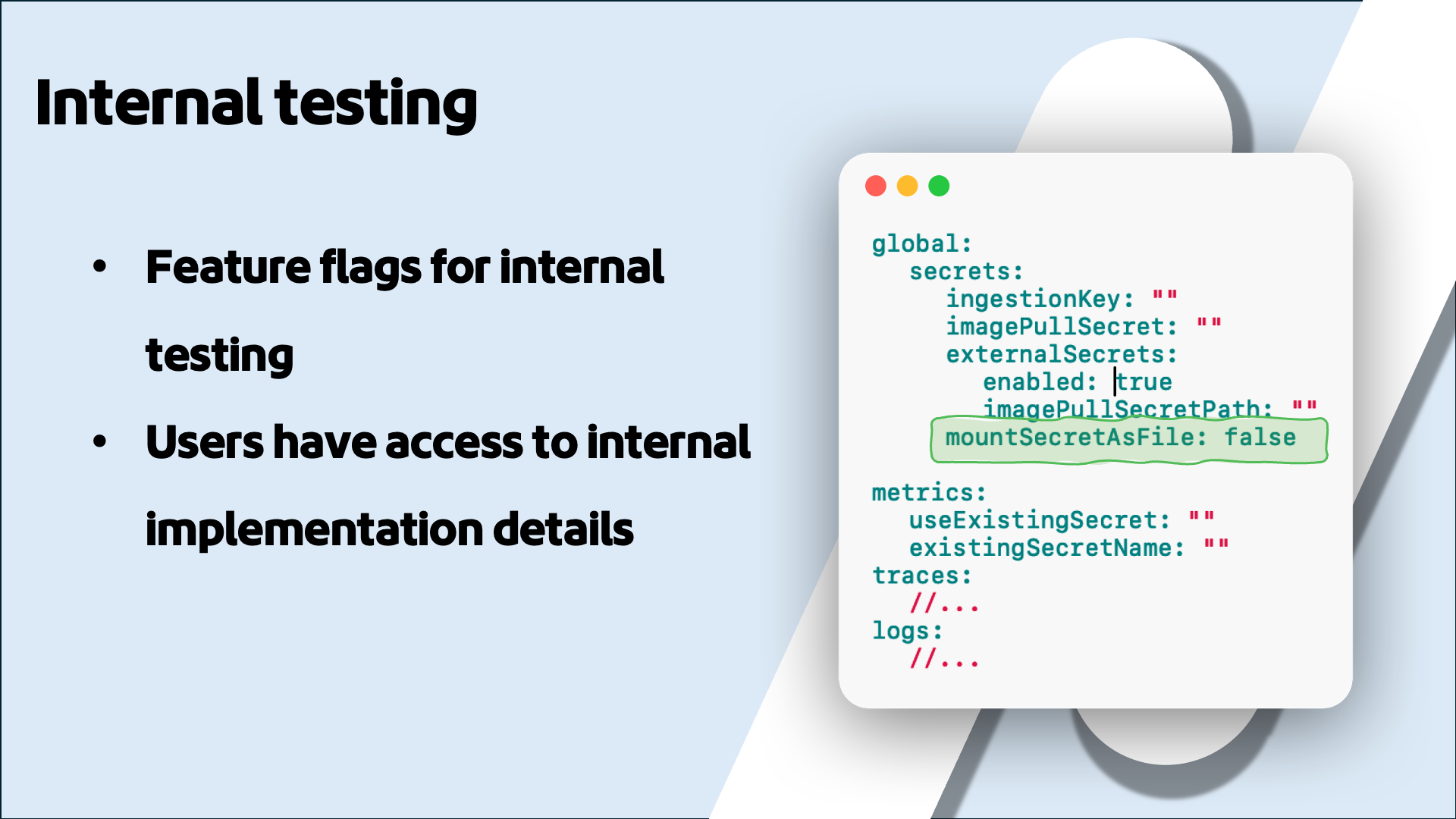
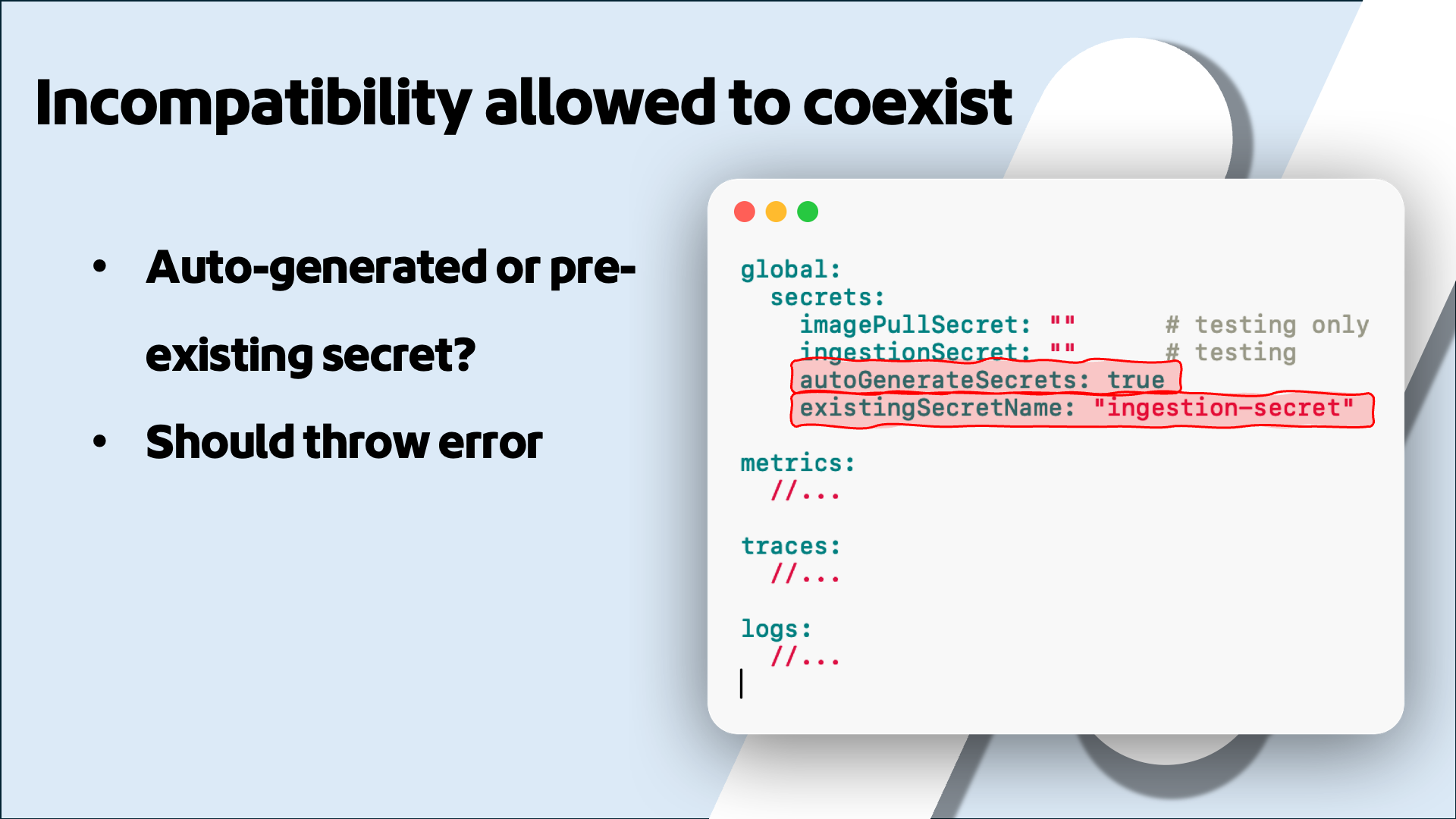
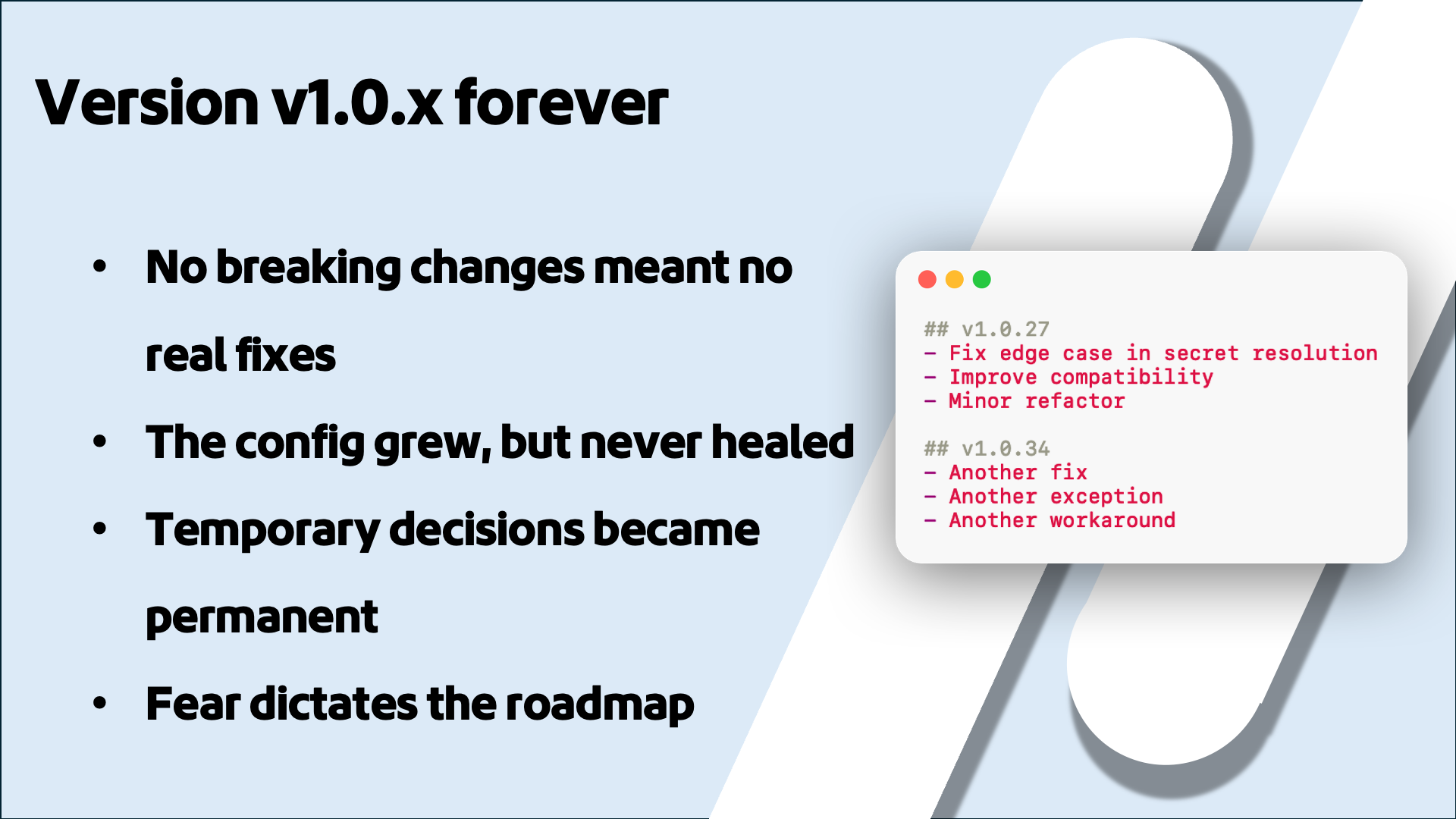
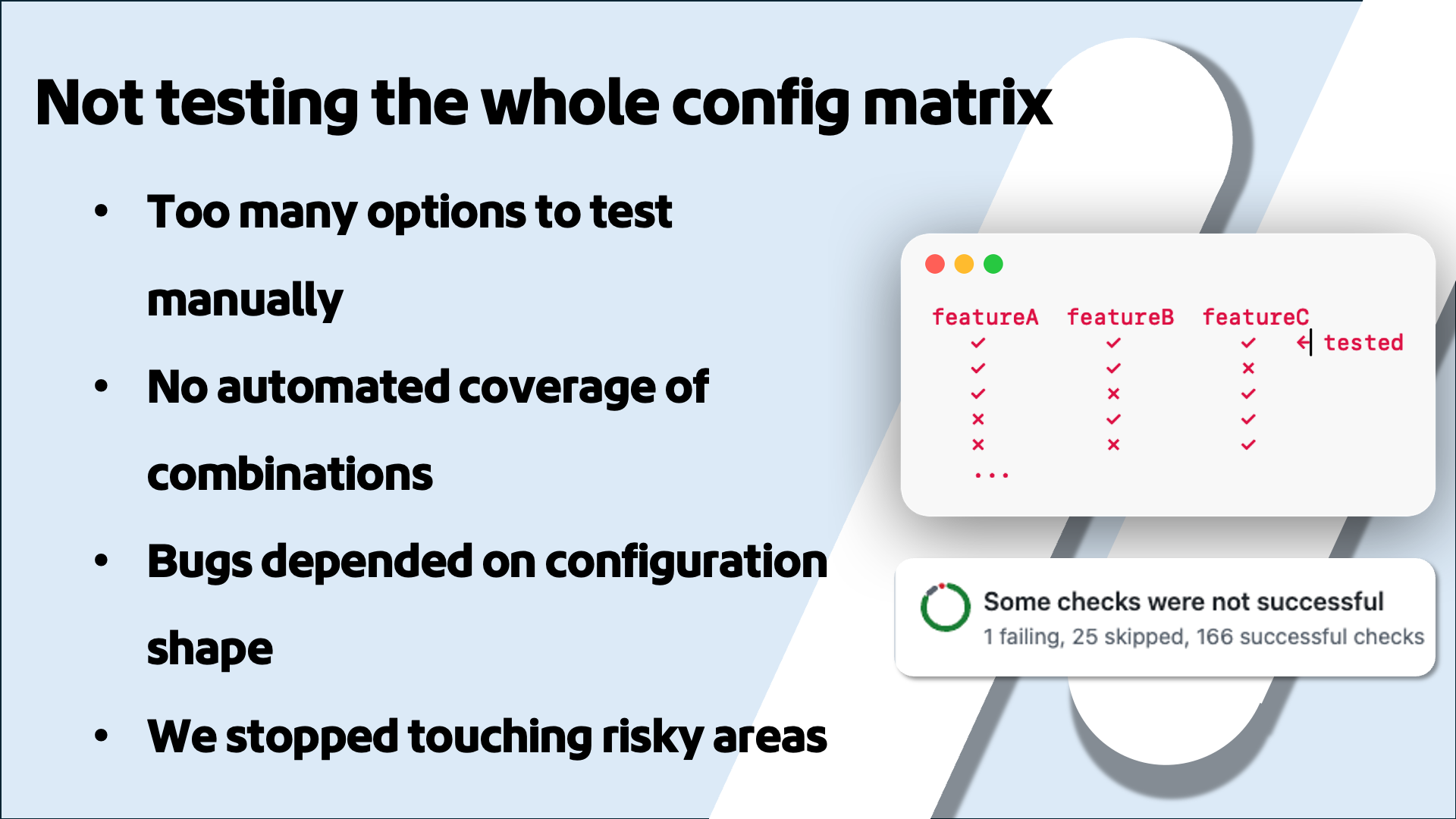
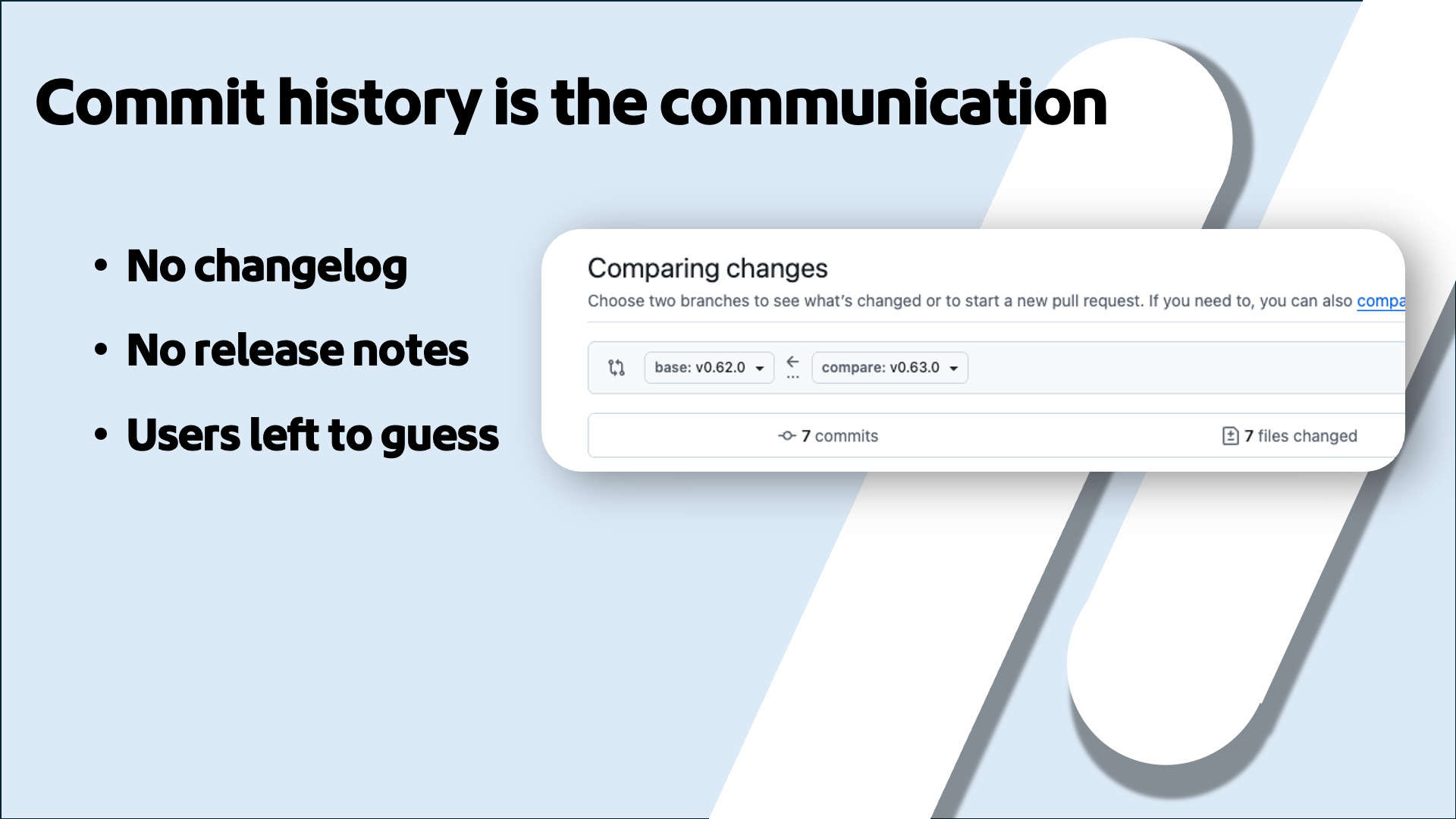
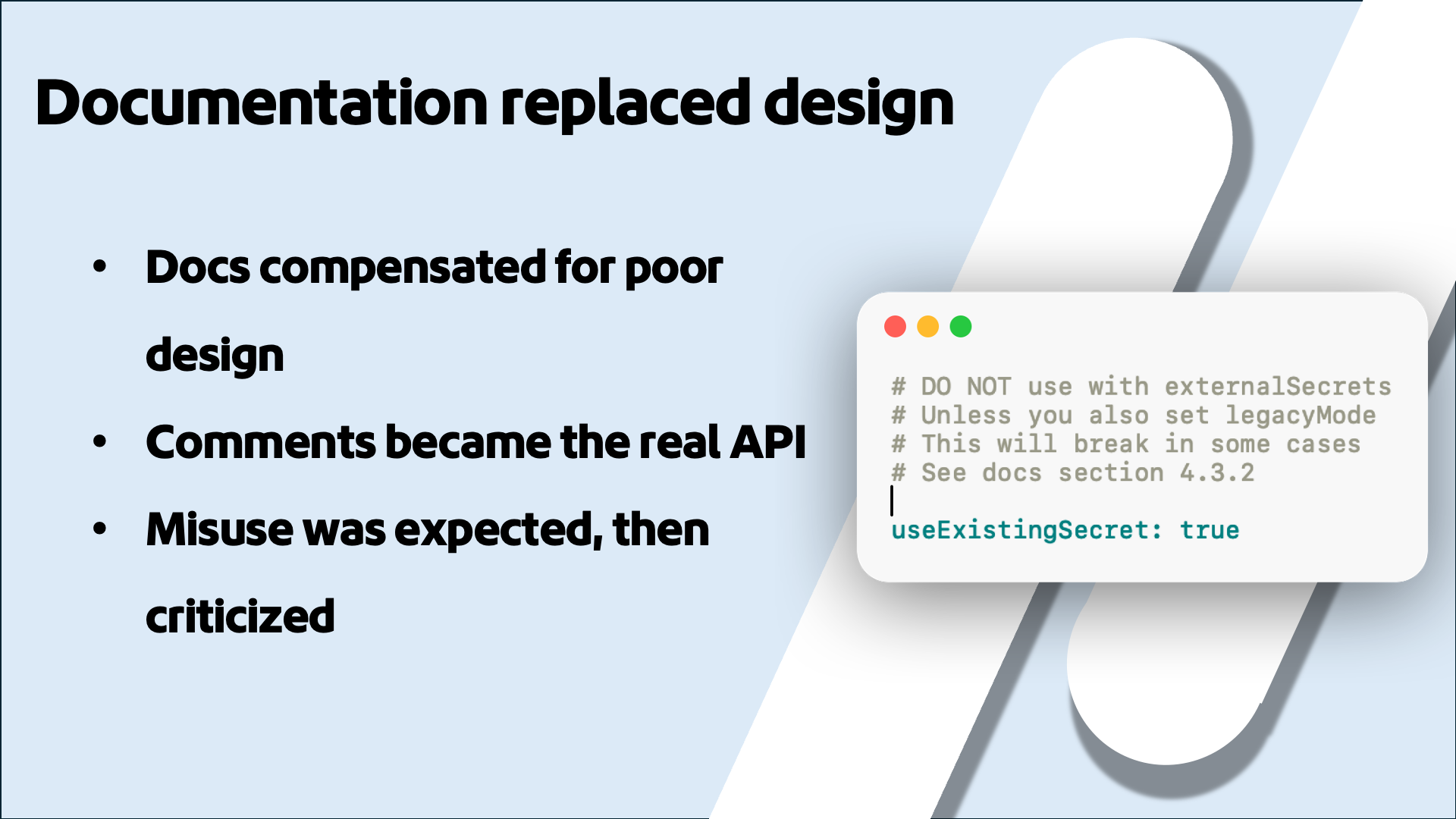
I walk through a story that will feel familiar to anyone who's maintained a Helm chart. You start small: a nice little chart that deploys three collectors, one per signal. Then a user asks to mount their own secrets. Then security wants External Secrets Operator support. Then someone needs a feature flag for internal testing. Before you know it, your values file is over a thousand lines, options contradict each other, and nobody wants to touch it. We avoided breaking changes because we were afraid users would be upset, so we stayed on v1.0.x forever. The config grew but never healed. We only tested the defaults, so bugs depended on the exact shape of someone's config. We had no changelog, so users had to diff commits to figure out what changed. And we ended up writing documentation like "DO NOT use with externalSecrets unless you also set legacyMode," which is a sign that your design has failed and your docs are doing the job your validation should be doing.
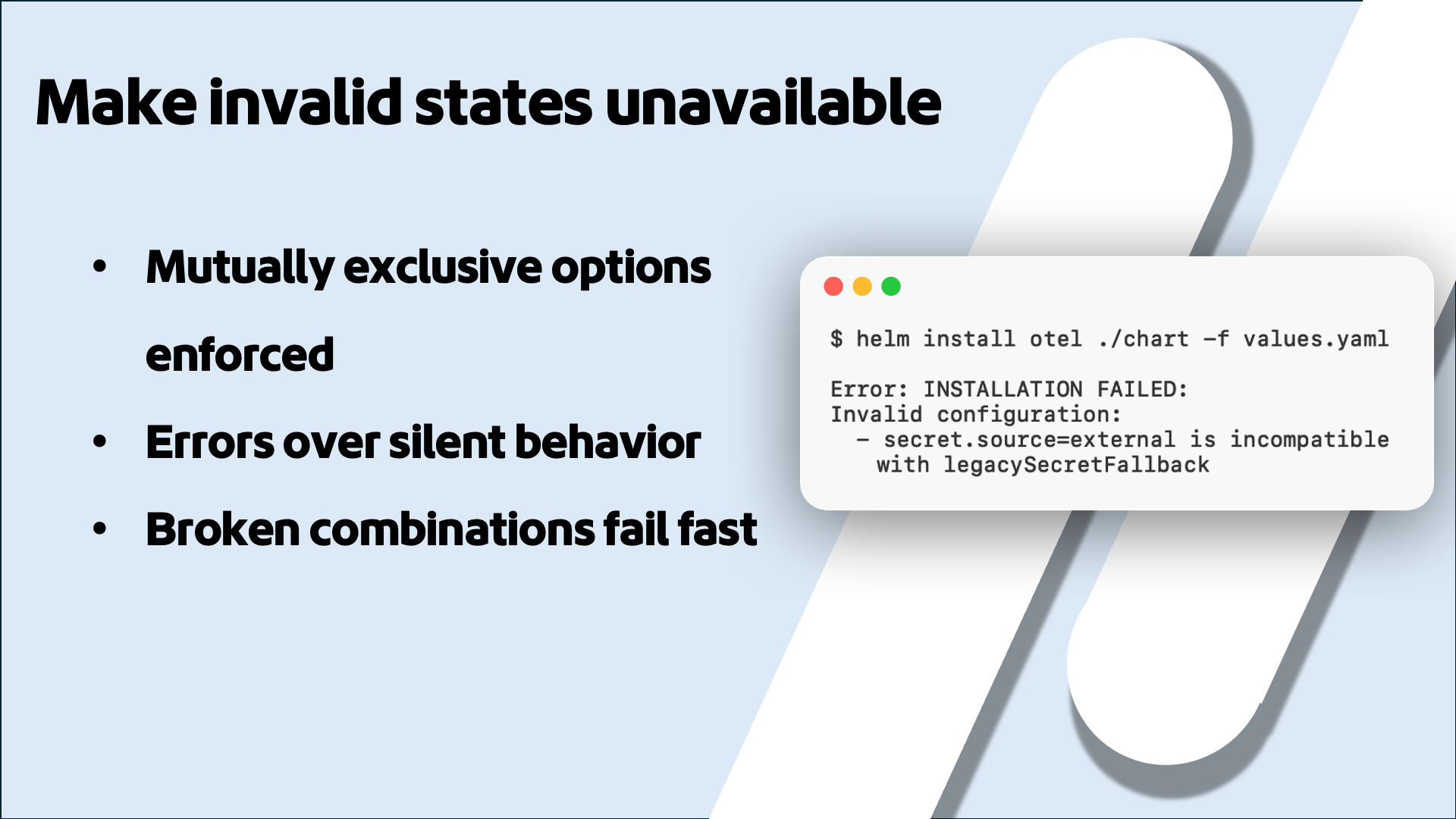
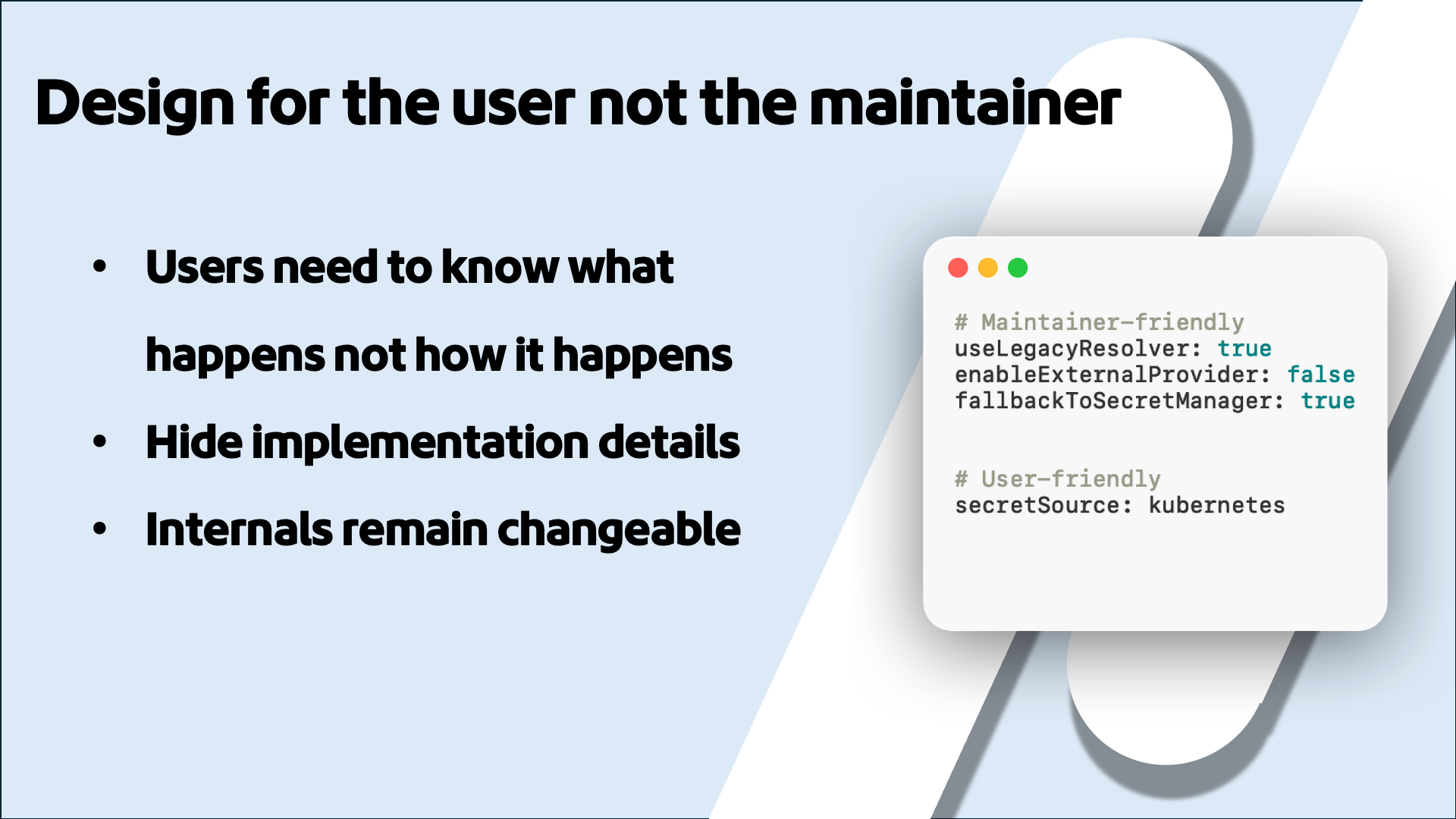
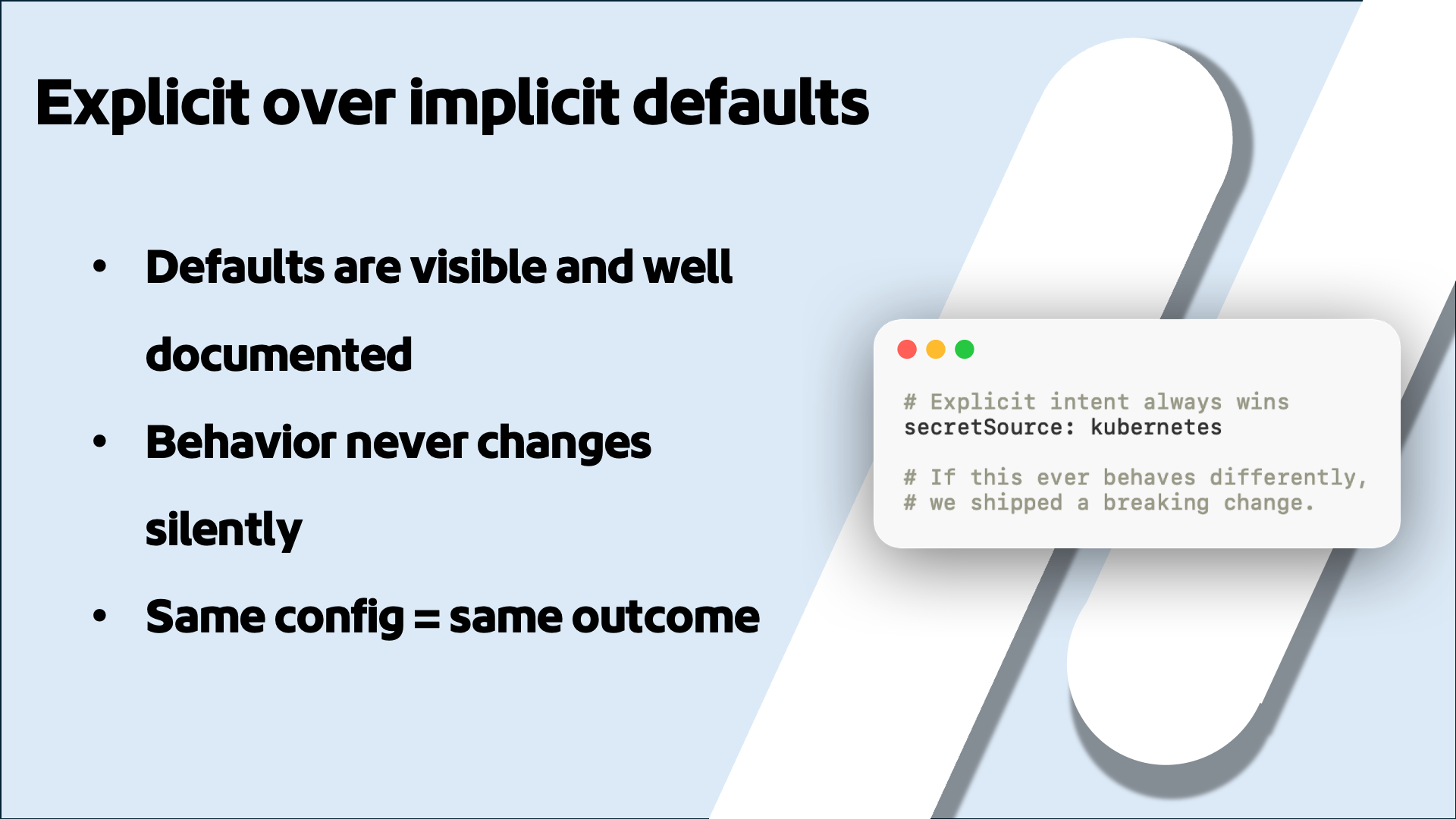
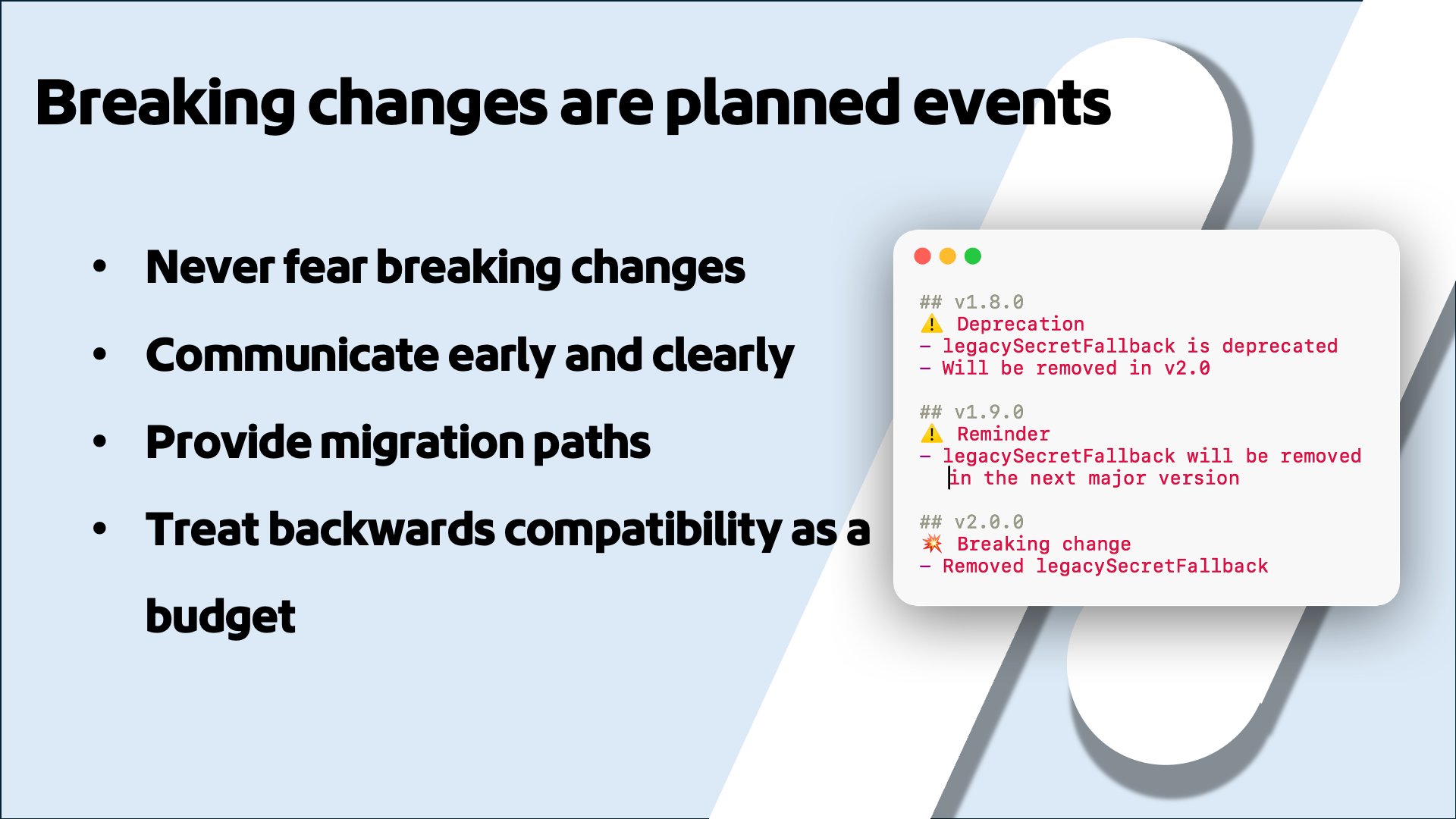
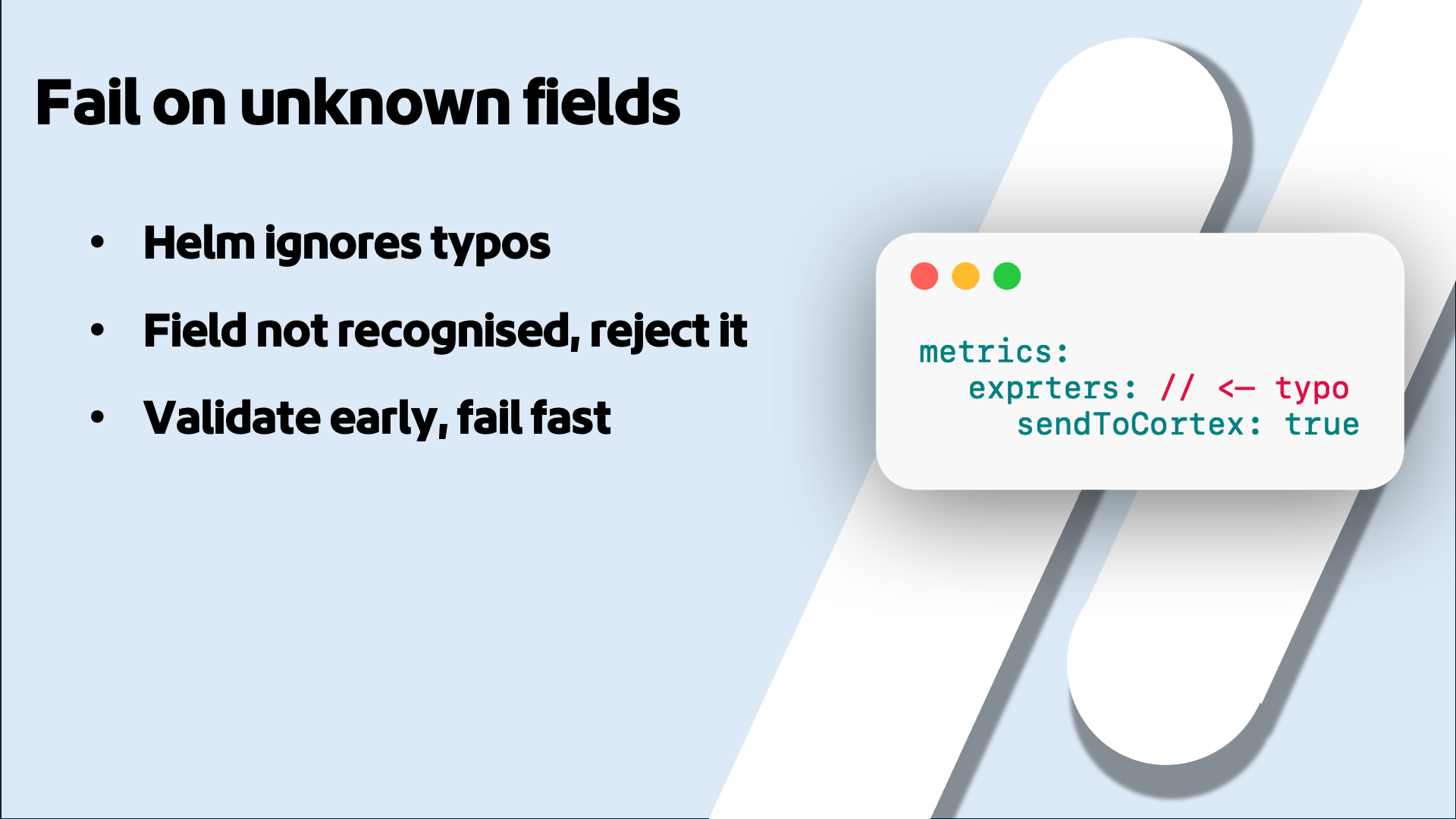
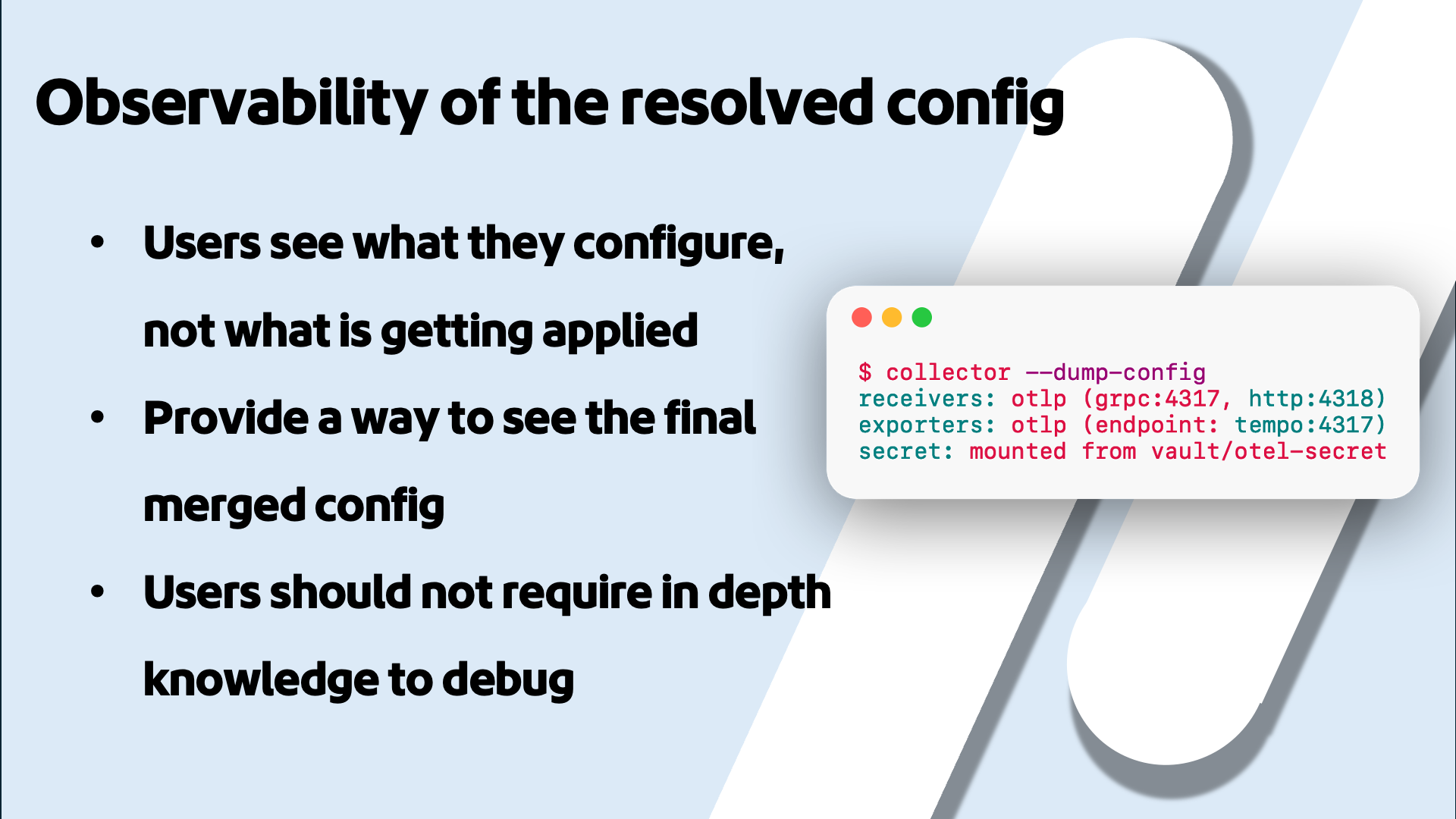
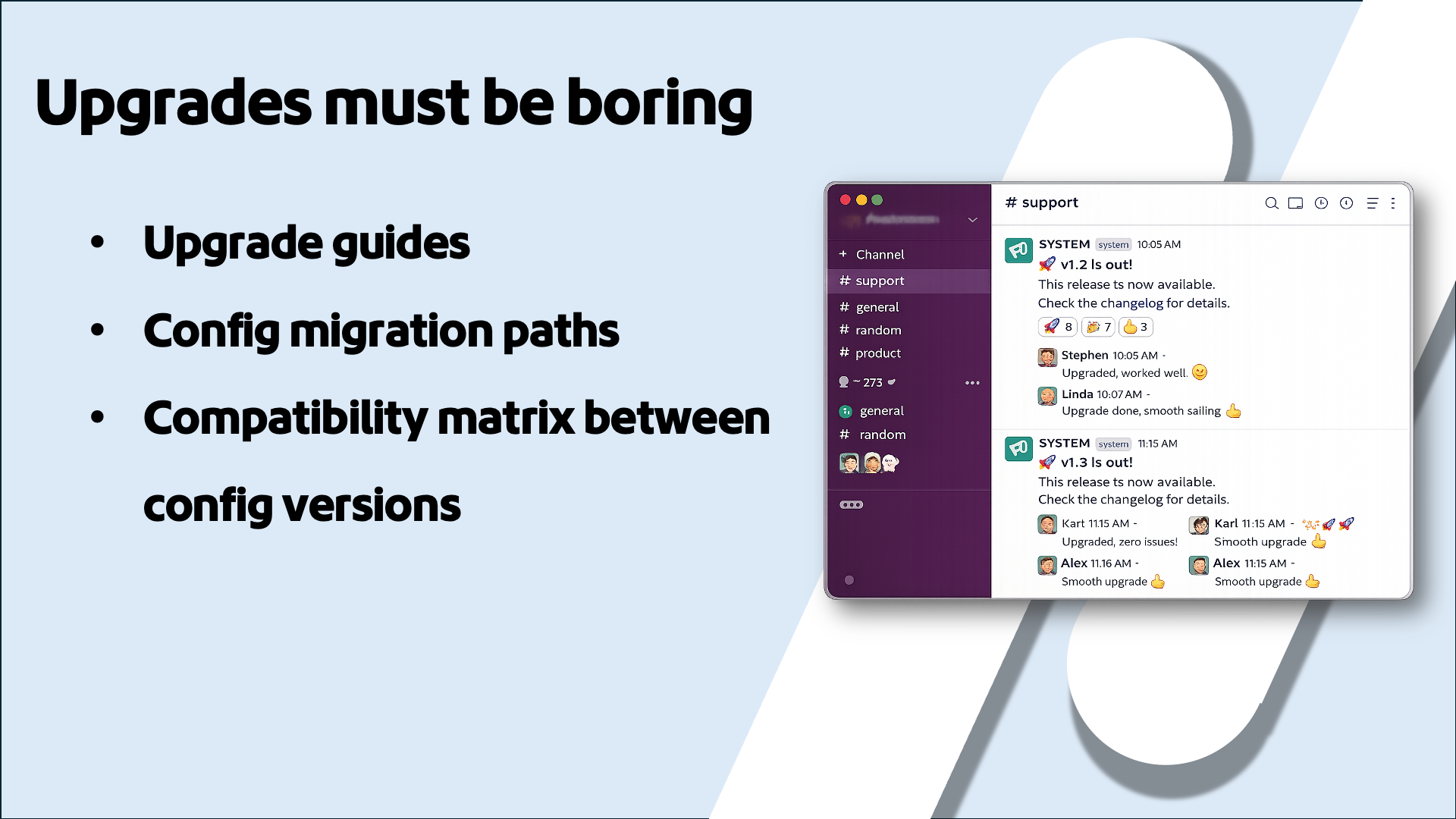
The second half is about what I think we should do instead. Only accept what you intend to support and reject everything else at install time. Design the config around what the user wants to happen, not how your internals work. Make sure the same config always produces the same outcome. Treat breaking changes as planned events with proper deprecation and migration paths instead of something to avoid at all costs. Test every combination of options, not just the happy path. Reject unknown fields instead of silently ignoring typos. Give users a way to see the final resolved config. And make upgrades boring through compatibility matrices and upgrade guides. People don't skip upgrades because they're lazy. They skip them because they're afraid. Just like Terry: boundaries enable freedom. Not just for users or maintainers, but for the whole ecosystem.